
Latest posts
-
Boise IT Asset Disposition: Inventory the Actual Retirement Load
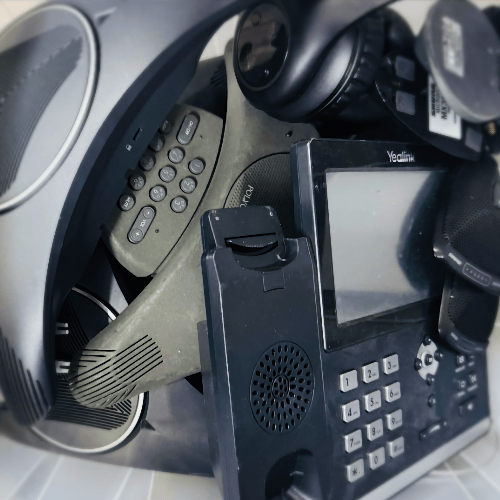
Boise IT asset disposition should inventory the actual equipment, identify storage media and define authorized data and recycling paths. Confirm accepted items and the reporting level before collection.
-
Monitor and TV Recycling: What Businesses Should Separate

Monitors and televisions should be counted and separated by type and condition because screens, stands, mounts, cables, and damaged units can require different handling.
-
How to Prepare Laptops and Desktop Computers for Recycling

Computer recycling preparation separates data decisions from hardware logistics: inventory assets, identify drives, remove reusable components only when authorized, and stage equipment safely.
-
Smartphone and Tablet Recycling: Protect Data Before Devices Leave

Before phones and tablets leave organizational control, inventory them, address accounts and locks, decide whether reuse is allowed, and select an approved data and recycling path.
-
Hard Drive Shredding vs. Data Wiping: Which Fits Your Policy?
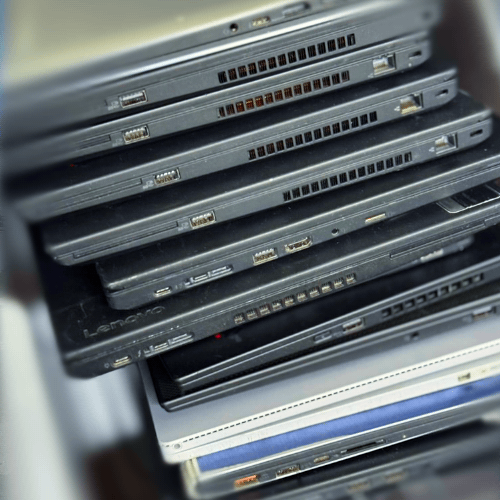
Data wiping may support reuse when it is verified and appropriate; physical destruction is used when reuse is not intended or policy requires the media to be rendered unusable.
-
IT Asset Disposition Checklist for Offices and Facilities Teams
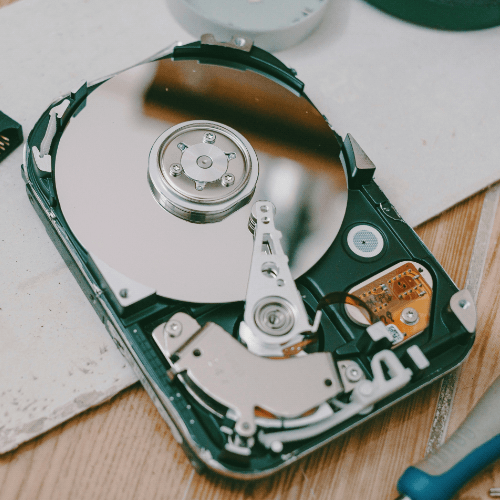
An IT asset disposition plan should inventory equipment, identify data-bearing media, define reuse and recycling paths, control custody, and reconcile final records.
-
Where Can You Recycle Electronics Near You?
Where Can You Recycle Electronics Near You? If you’ve got old laptops, phones, servers, or office equipment piling up, the real question isn’t just what to do with them—it’s: Where can you recycle electronics near you safely and securely? Because not all recycling options are the same. Some only collect devices. Others ensure your data…
-
What Is E-Waste Recycling and Why It Matters in 2026
What Is E-Waste Recycling and Why It Matters in 2026 Quick Answer: E-waste recycling is the safe collection, destruction, and processing of old electronics like computers, phones, and printers to protect sensitive data, recover valuable materials, and prevent environmental harm. In 2026, it’s essential due to rising electronic waste, increasing data security risks, and stricter…
-
Streamlining Commercial Real Estate Operations with Smart E-Waste Recycling
Streamlining Commercial Real Estate Operations with Smart E-Waste Recycling Streamlining Commercial Real Estate Operations with Smart E-Waste Recycling: In commercial real estate, staying organized and maintaining tenant trust is key. Offices, property management teams, and administrative departments rely on a variety of electronic devices—from computers and servers to monitors and mobile devices—to manage leases, handle…
-
Smart E-Waste Recycling for Highway & Road Construction Teams
Smart E-Waste Recycling for Highway & Road Construction Teams Highway and road construction firms rely on technology to manage complex projects, from planning and surveying to project management and job site coordination. Computers, servers, tablets, and specialized equipment are critical for keeping projects on schedule and ensuring safety. Over time, these devices become outdated, damaged,…