
E-Waste Recycling
- Secure and efficient e-waste handling focused on environmental responsibility and sustainability
- Responsible management of electronics containing trace materials and sensitive components
- Environmentally conscious processes designed to support compliance and reduce ecological impact
- Convenient pickup and streamlined service options for organizations and businesses
- Professional support that helps simplify end-of-life electronics management
- Commitment to safe, structured handling of electronic waste materials
- Request a FREE, no-obligation quote today to support responsible electronics recycling and sustainability efforts.

E-Waste Trace Metals & Sustainability
At Liberty E‑Waste, we focus on responsible electronics lifecycle management with a strong emphasis on environmental protection and sustainability. Electronic devices contain a wide range of trace metals that require careful handling due to their environmental sensitivity and potential impact if not properly managed.
What Are Trace Metals in E-Waste?
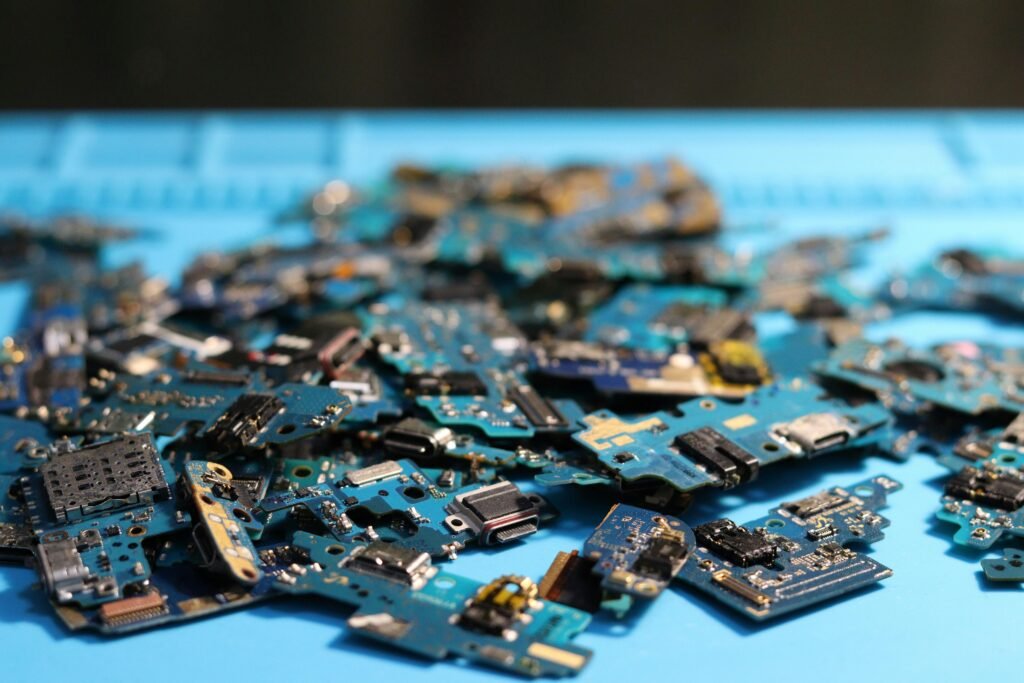
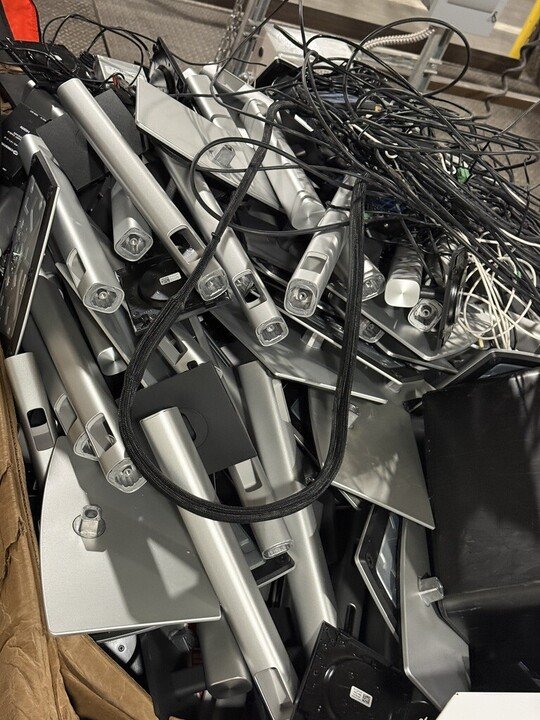
Electronic waste contains small but significant amounts of metals found in circuit boards, wiring, batteries, and internal components. These materials are essential to device functionality, but their presence in discarded electronics highlights the importance of responsible handling to help reduce environmental impact.
Key Metals Found in E-Waste:
- Copper
- Aluminum
- Nickel
- Other trace elements found in electronic components
These materials are essential to device functionality, but when electronics reach end-of-life, proper management becomes important to help support environmental responsibility and reduce potential impact on natural systems.
Why Trace Metals Matter for Sustainability
Trace metals play a key role in both technology production and environmental responsibility. When electronics are not properly handled at end-of-life, these materials can contribute to environmental contamination.
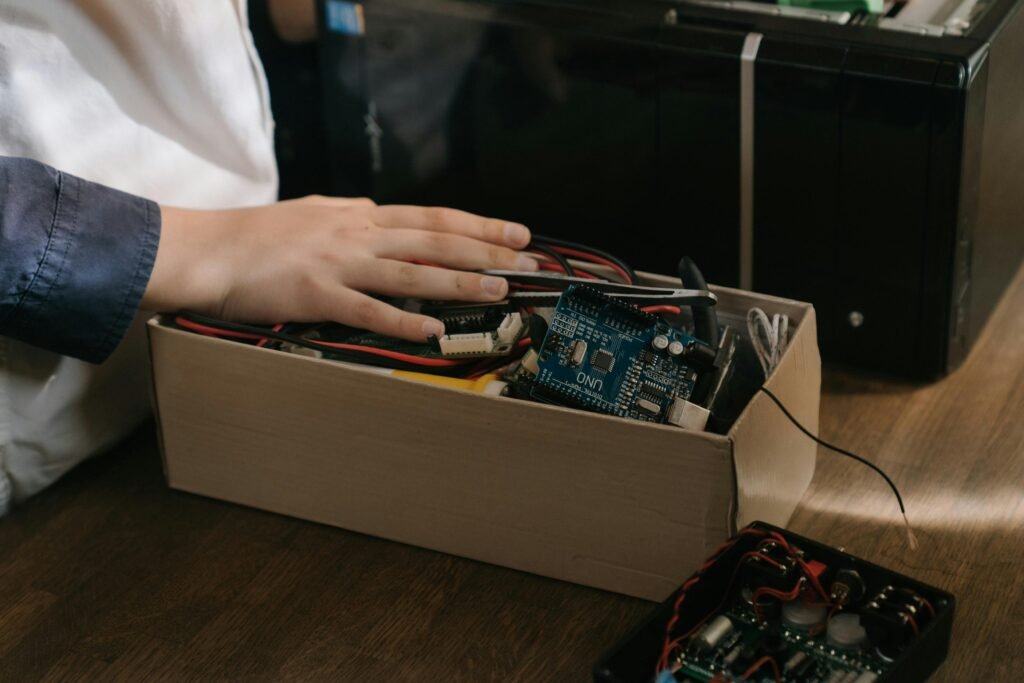
Proper management of e-waste helps support:
- Reduced environmental pollution
- Responsible handling of electronic components
- Lower strain on natural material demand
- Improved sustainability practices across industries
- Safer disposal of outdated electronics
Environmental Responsibility
Electronic devices should be managed in a way that prioritizes environmental safety. Trace metals require controlled handling to help reduce the risk of contamination in soil and water systems. Supporting responsible e-waste practices helps organizations and individuals reduce long-term environmental impact and contribute to cleaner, more sustainable material cycles.
Why Responsible E-Waste Practices Matter:
- Helps protect soil and water from contamination risks
- Supports controlled handling of trace metals in electronics
- Reduces long-term environmental impact from discarded devices
- Encourages cleaner and more sustainable material cycles
- Promotes environmentally responsible electronics management
Supporting Sustainable Material Awareness
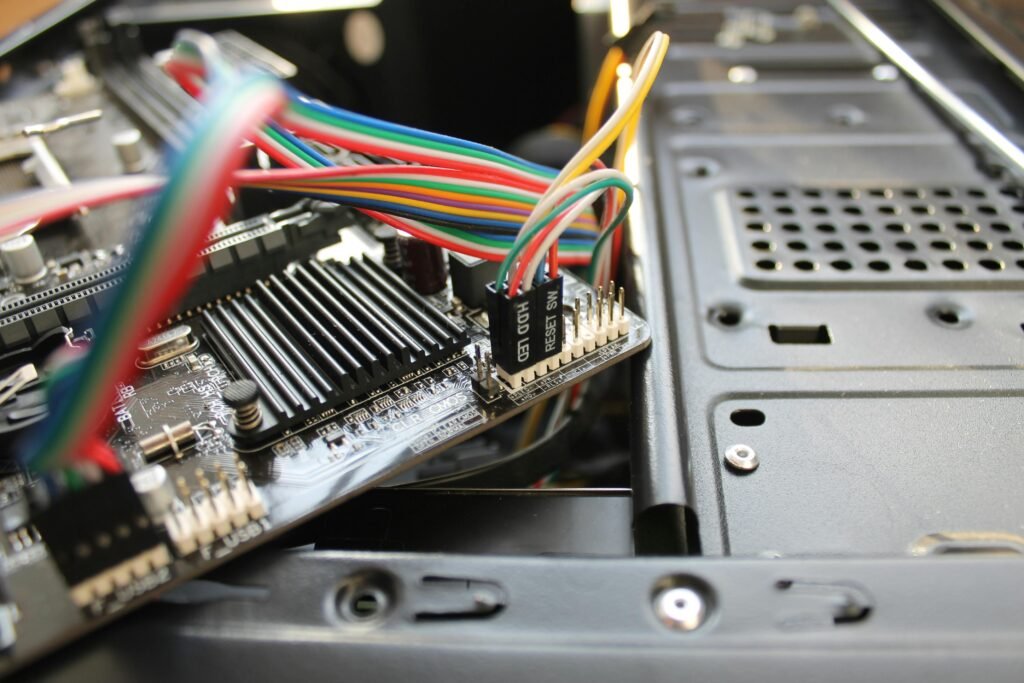
Understanding what is inside electronic devices is an important step toward better sustainability practices. Trace metals are a critical part of modern technology, and awareness of their presence helps encourage more responsible decisions when electronics reach end-of-life.
Commitment to Responsible E-Waste Practices
Liberty E-Waste is committed to supporting environmentally responsible electronic waste management solutions that prioritize compliance, safety, and sustainability. Our focus is on helping organizations manage electronic materials in a way that supports long-term environmental responsibility.
Whether handling outdated IT equipment or general electronics, we emphasize structured, compliant, and environmentally conscious e-waste services designed to support sustainability goals.
Partner with Liberty E-Waste

Looking for reliable shredding, scanning, archiving, media conversion, cloud, and more services? Contact Liberty today for a free, no-obligation quote. Whether it’s a single-file box or an ongoing service agreement, we’ll help you choose the right solution for your home or business.
Trace Metals & Electronic Waste FAQ
What are trace metals in electronic waste?
Trace metals are materials commonly found in electronic components such as circuit boards, wiring, batteries, and internal hardware. Examples include copper, aluminum, nickel, and other elements used in device functionality.
Why is proper e-waste handling important?
Improper disposal of electronics can increase the risk of environmental contamination. Responsible e-waste handling helps support environmental safety and sustainable material management.
How can e-waste impact the environment?
Electronic waste may contain materials that require controlled handling to help reduce potential impact on soil, water systems, and overall environmental health.
Why do sustainability practices matter in electronics recycling?
Sustainability-focused e-waste practices help reduce long-term environmental impact and support cleaner, more responsible management of electronic materials.
What types of electronics contain trace metals?
Many electronic devices contain trace metals, including computers, servers, smartphones, laptops, monitors, networking equipment, batteries, and other IT assets.