
What Is E-Waste Recycling and Why It Matters in 2026
Quick Answer:
E-waste recycling is the safe collection, destruction, and processing of old electronics like computers, phones, and printers to protect sensitive data, recover valuable materials, and prevent environmental harm. In 2026, it’s essential due to rising electronic waste, increasing data security risks, and stricter regulations.
What Is E-Waste?
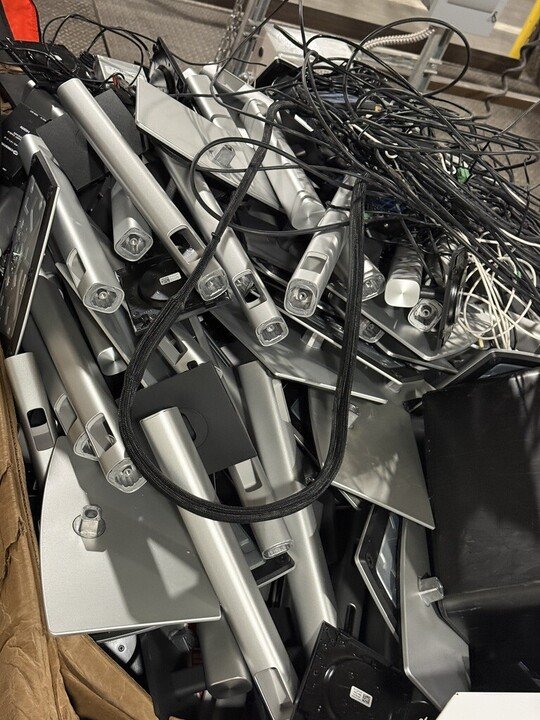
E-waste, or electronic waste, refers to any device that is no longer in use—whether it’s outdated, broken, or simply replaced.
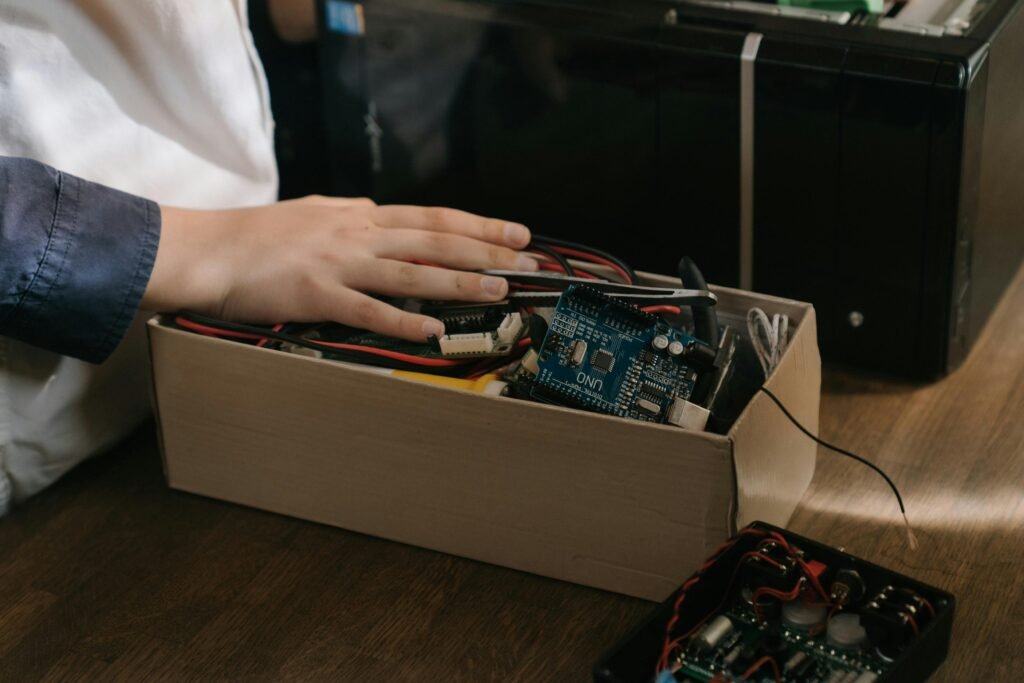
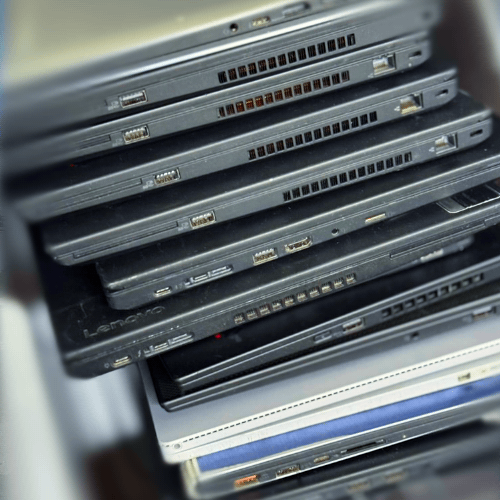
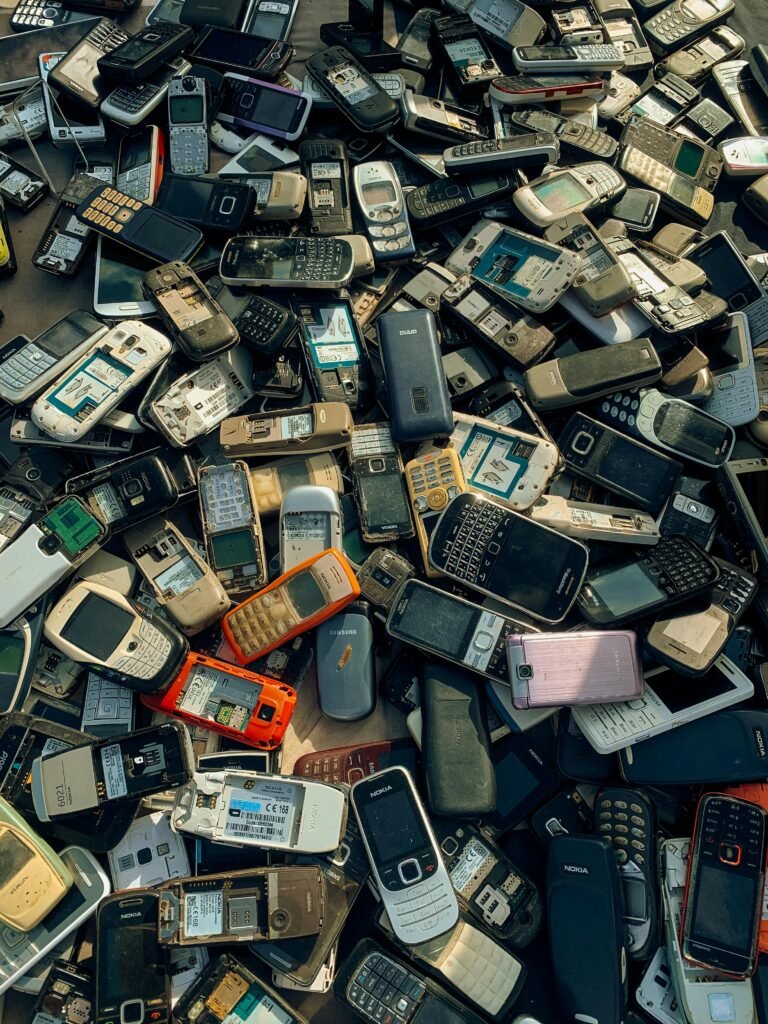
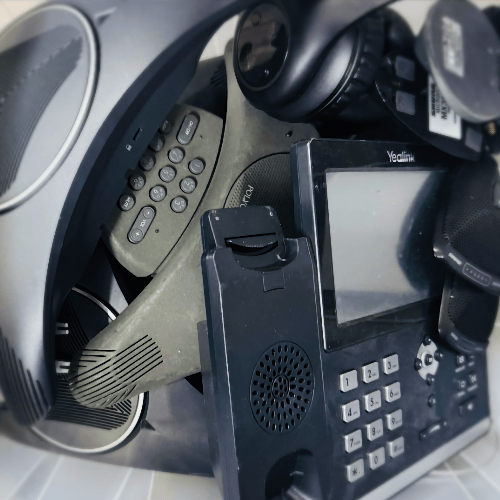
Common examples include:
- Computers and laptops
- Hard drives and servers
- Phones and tablets
- Printers and copiers
- Networking equipment
These devices don’t just stop working—they often still contain sensitive data and materials that require proper handling.
What Is E-Waste Recycling?
E-waste recycling is the process of safely handling and repurposing old electronics to minimize risk and maximize value.
A professional recycling process typically includes:
Secure Collection – Safe pickup or drop-off of electronics
Data Destruction – Certified wiping or physical destruction of storage devices
Dismantling – Breaking down equipment into components
Material Recovery – Extracting reusable materials like metals and plastics
Responsible Disposal – Ensuring hazardous materials are handled properly
Why E-Waste Recycling Matters in 2026
1. Data Security Risks Are Increasing
Old electronics often contain confidential data—customer records, financial information, and internal files.
If devices aren’t properly destroyed, that data can be exposed, leading to:
- Data breaches
- Compliance violations
- Loss of customer trust
2. E-Waste Is Growing Rapidly
Technology is evolving faster than ever, and upgrade cycles are getting shorter.
That means more devices are being discarded—creating a growing waste problem that requires responsible solutions.
3. Environmental Impact Is Significant
Electronics contain hazardous materials such as lead, mercury, and cadmium.
When improperly disposed of, these materials can:
- Contaminate soil and water
- Harm ecosystems
- Contribute to pollution
Recycling helps reduce these risks while conserving natural resources.
4. Regulations Are Becoming Stricter
Businesses are facing increased pressure to comply with data protection and environmental laws.
Improper disposal can result in:
- Fines and penalties
- Legal liability
- Reputational damage
Working with a compliant e-waste recycling provider helps ensure proper handling and documentation.
5. Valuable Resources Are Being Recovered
E-waste isn’t just waste—it contains valuable materials like:
- Gold
- Silver
- Copper
- Rare earth metals
Recycling allows these materials to be reused, reducing the need for new resource extraction.
How to Dispose of Electronics the Right Way
To reduce risk and stay compliant:
- Never throw electronics in the trash
- Work with a certified e-waste recycling provider
- Ensure data destruction is included
- Request documentation for compliance
- Schedule regular cleanouts for outdated equipment

Who Needs E-Waste Recycling?
E-waste recycling is essential for organizations and individuals alike, including:
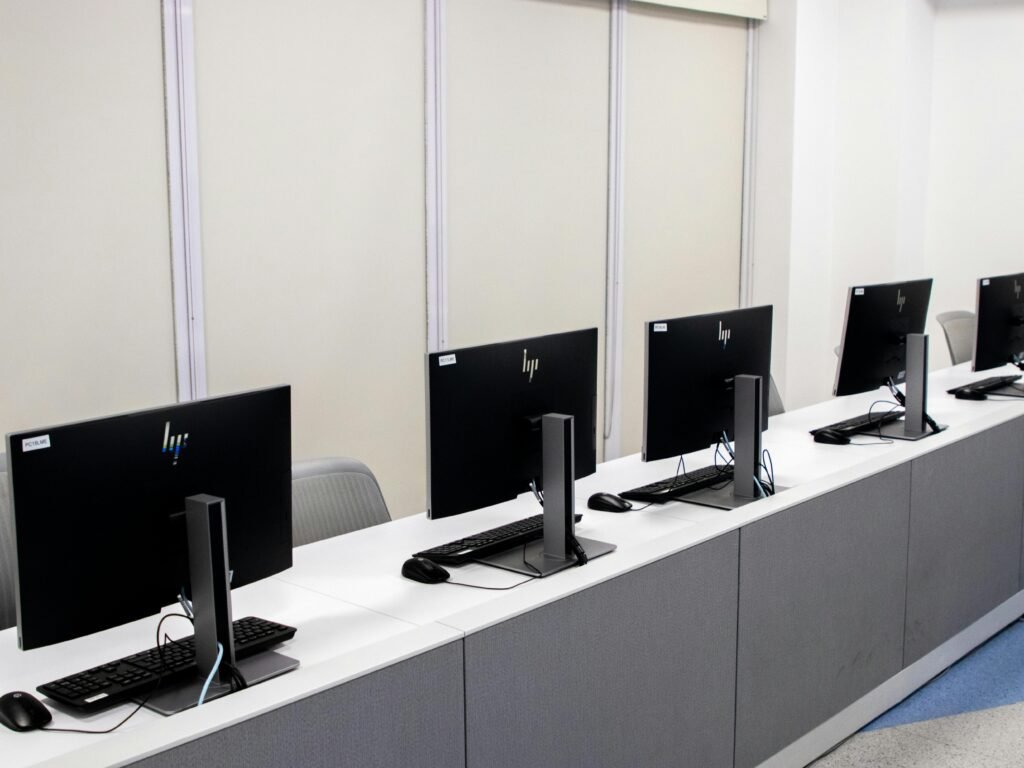
- Businesses upgrading IT equipment
- Healthcare providers managing sensitive data
- Financial institutions
- Government agencies
- Anyone with outdated electronics
If you have old devices, you have e-waste—and it needs to be handled properly.
The Bottom Line
Old electronics don’t just disappear—they create risk.
From data exposure to environmental harm, improper disposal has real consequences. In 2026, e-waste recycling isn’t optional—it’s a critical part of protecting your business, your data, and the environment.
Making the right choice today helps prevent bigger problems tomorrow.
Looking for reliable shredding, scanning, archiving, media conversion, cloud, and more services? Contact Liberty today for a free, no-obligation quote. Whether it’s a single-file box or an ongoing service agreement, we’ll help you choose the right solution for your home or business.
E-Waste Recycling FAQs
What qualifies as e-waste?
Any electronic device that is no longer in use, including computers, phones, printers, and storage devices.
Is e-waste recycling safe for sensitive data?
Yes—when handled by a certified provider, it includes secure data destruction to prevent unauthorized access.
Can I throw electronics in the trash?
In many areas, electronics are restricted from landfill disposal and must be recycled properly.
Is e-waste recycling free?
Some programs offer free recycling for certain items, but secure and business services may involve a cost.
How often should businesses recycle electronics?
Most organizations should review and recycle outdated equipment every 1–3 years, depending on their technology lifecycle.