
Oil & Fuel Distribution Companies: Don’t Let Retired Technology Become a Risk
Oil & Fuel Distribution Companies: Don’t Let Retired Technology Become a Risk. In oil and fuel distribution, risk management is built into everything you do. From safety protocols and environmental regulations to cybersecurity and logistics tracking, your industry operates with little margin for error.
But there’s one area that often gets overlooked:
What happens to your outdated technology?
When computers, servers, monitoring systems, and field devices are retired without a secure plan, they can quietly introduce operational, compliance, and environmental risks.
The Overlooked Side of Infrastructure Security
Oil and fuel distribution companies rely on:
- Dispatch and routing systems
- Fuel monitoring and control equipment
- Storage facility technology
- Field tablets and mobile devices
- Corporate servers and networking systems
- Surveillance and security hardware
These devices often contain sensitive operational data, internal configurations, customer information, and compliance records.
If a retired device is improperly handled, that information doesn’t just disappear. It remains accessible — and potentially vulnerable.
In a sector tied to critical infrastructure, that’s not a small risk.
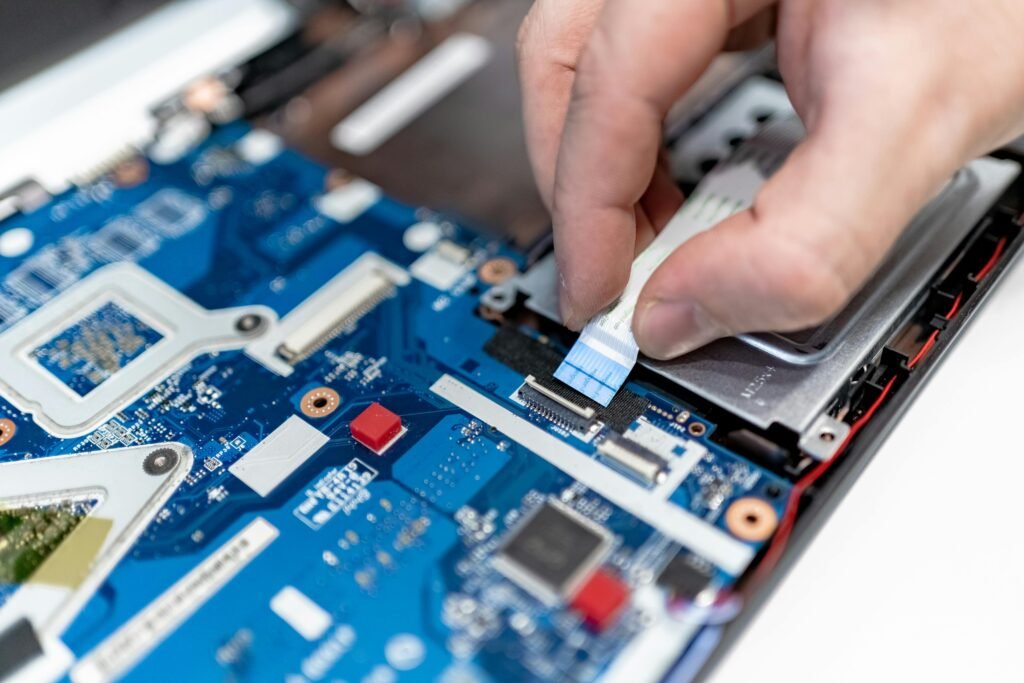
E-Waste Is More Than “Old Equipment”
Too often, outdated electronics are seen as clutter — something to store in a back room until someone decides what to do with it.

But in reality, unused technology can create:
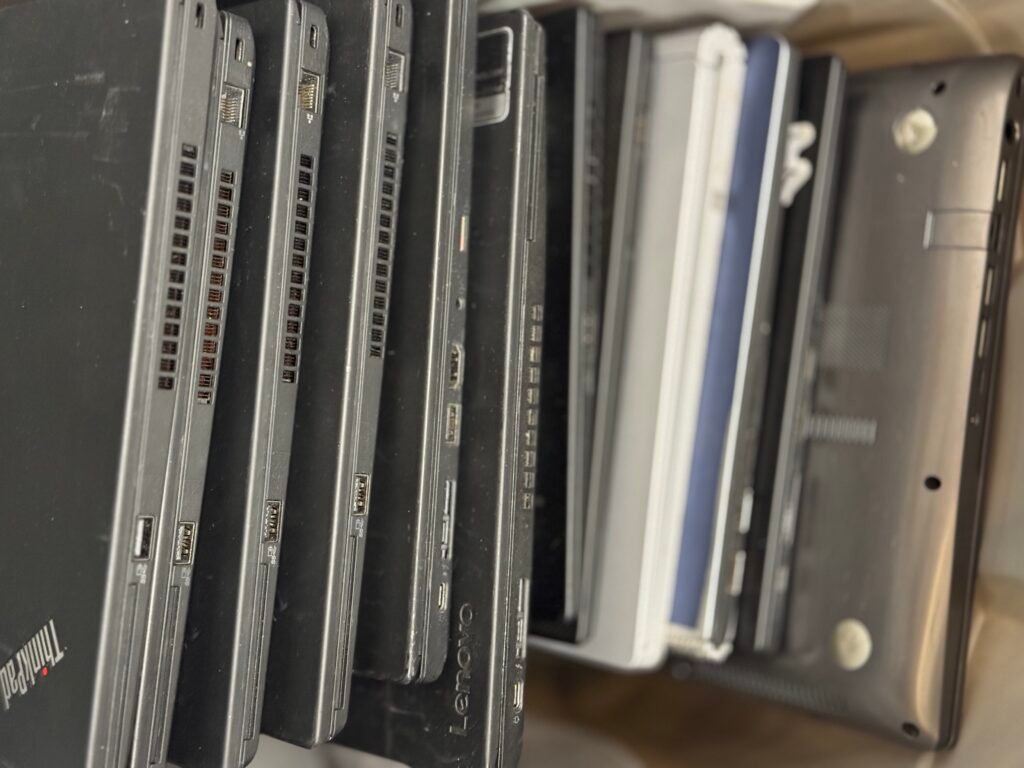
- Cybersecurity exposure
- Data breach liability
- Regulatory scrutiny
- Environmental hazards
Oil and fuel distribution companies already operate under strict environmental and safety standards. Improper electronic disposal can undermine those efforts.
Secure Recycling as a Risk Mitigation Strategy
Secure e-waste recycling isn’t just about environmental responsibility — it’s part of a larger operational protection strategy.
When handled properly, technology retirement should include:
- Verified data destruction
- Documented chain-of-custody
- Responsible material recovery
- Clear reporting for compliance audits
This transforms device disposal from an afterthought into a controlled, documented process.
Strengthening ESG & Compliance Efforts
Environmental accountability continues to play a larger role in corporate evaluation, especially in energy-related industries.
Secure e-waste recycling supports:
- Landfill diversion
- Responsible hazardous material handling
- Sustainability reporting initiatives
- Demonstrated environmental stewardship
It sends a clear message: your company manages the full lifecycle of its technology — not just the active years.


Don’t Wait Until It Becomes a Problem
The most secure technology strategy includes planning for the end of a device’s life before it arrives.
Oil and fuel distribution companies already take proactive steps to protect infrastructure, customers, and communities. Extending that mindset to retired electronics ensures that outdated technology never becomes your weakest link.
Technology retirement should be just as structured as technology deployment.
Because in this industry, risk management doesn’t stop when a device is turned off.
Looking for reliable shredding, scanning, archiving, media conversion, cloud, and more services? Contact Liberty today for a free, no-obligation quote. Whether it’s a single-file box or an ongoing service agreement, we’ll help you choose the right solution for your home or business.
Questions and Answers
Why is e-waste recycling important for oil and fuel distribution companies?
Outdated technology can contain sensitive operational, customer, and compliance data. Secure e-waste recycling ensures that retired devices do not create cybersecurity or regulatory risks.
What types of electronics can be recycled in the oil and fuel industry?
Companies can recycle servers, computers, tablets, networking equipment, monitoring and control devices, backup drives, and security hardware, all of which may contain critical data.
How is sensitive operational data destroyed during e-waste recycling?
Data destruction includes certified hard drive wiping or physical destruction, ensuring operational, compliance, and customer information is permanently removed.
Can e-waste recycling help oil and fuel companies meet environmental and ESG goals?
Yes. Responsible recycling recovers materials, prevents hazardous waste from reaching landfills, and supports corporate sustainability and ESG initiatives.
Are there flexible options for e-waste pickup and disposal?
Absolutely. Companies can schedule one-time cleanouts, ongoing pickups, or coordinated support during technology upgrades to ensure secure handling throughout the device lifecycle.