
E-Waste Recycling for Healthcare Organizations
Healthcare organizations rely on technology for patient care, recordkeeping, research, and administrative operations. From computers and tablets to servers and diagnostic equipment, devices eventually reach the end of their lifecycle. Improper disposal can expose sensitive patient data and create environmental hazards. Liberty E-Waste provides secure, compliant, and environmentally responsible e-waste recycling solutions for healthcare organizations, with integrated IT Asset Disposition (ITAD) services to ensure safe and secure management of all electronic devices.
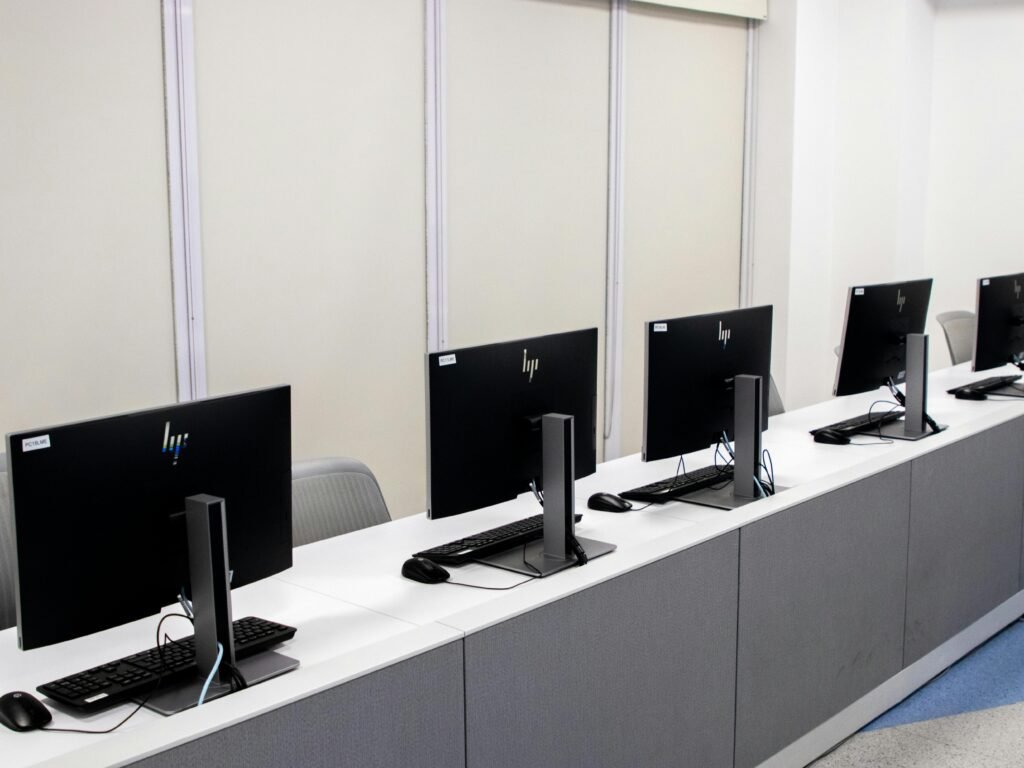
Why E-Waste Matters for Healthcare
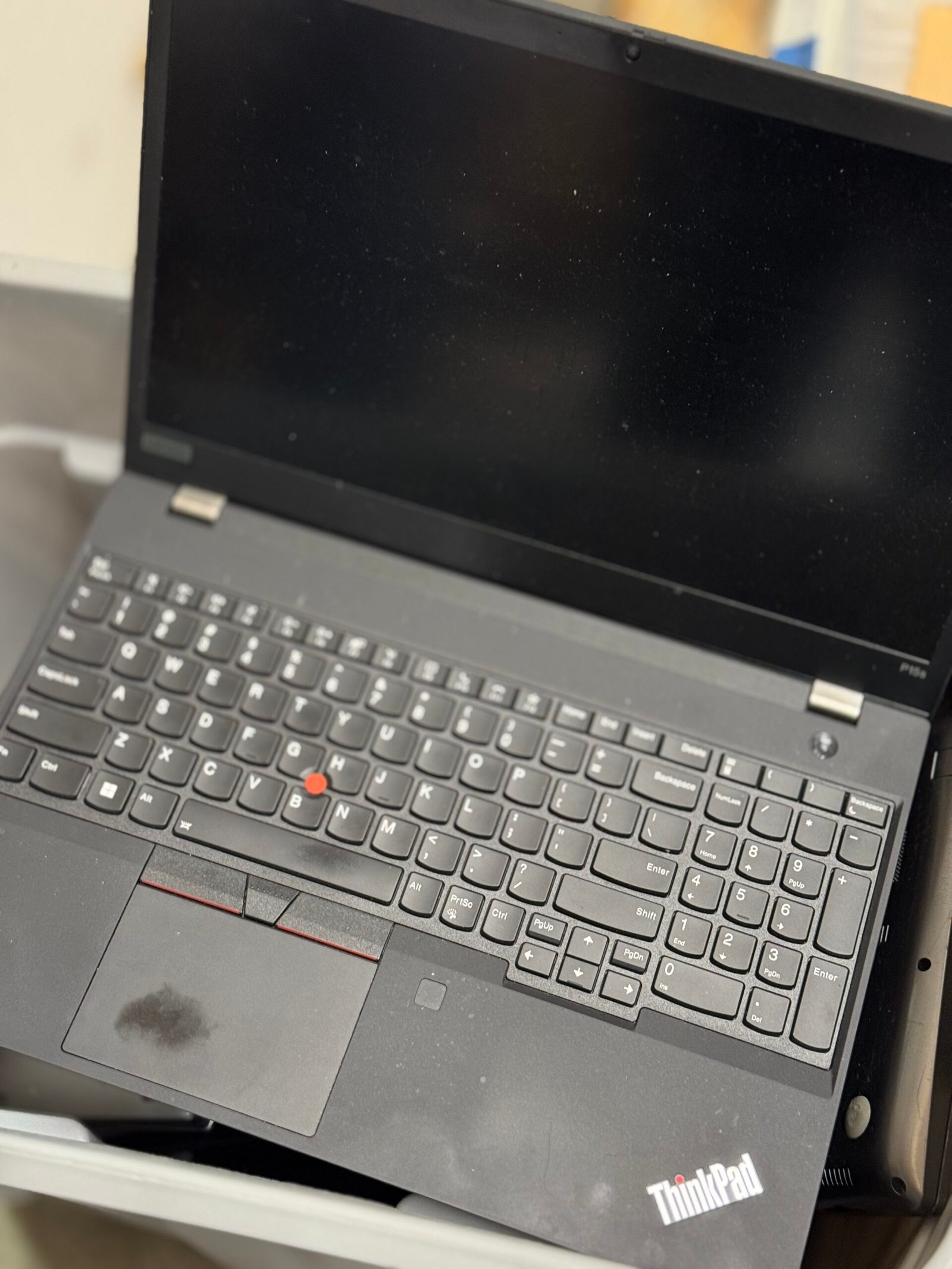
Healthcare organizations manage a wide range of devices, including:
- Laptops, desktops, and tablets
- Servers and networking equipment
- Medical devices and diagnostic equipment
- Printers, scanners, and office electronics
- Backup drives and storage media
These devices often contain highly sensitive patient data protected under HIPAA and other healthcare regulations. Improper disposal can lead to data breaches, regulatory violations, and environmental risks. A structured e-waste recycling program ensures both data security and environmental compliance.
Secure & Responsible E-Waste Recycling
Liberty E-Waste helps healthcare organizations securely retire obsolete electronics using documented, environmentally responsible recycling processes.
Our services include:
- Certified Recycling: Recover valuable materials while preventing landfill contamination.
- Secure Handling & Transportation: All devices are collected and tracked with chain-of-custody documentation.
- Secure Data Destruction: Patient and operational data is securely destroyed prior to recycling.
- Flexible Pickup Options: One-time cleanouts or ongoing service to match equipment turnover cycles.

Integrated IT Asset Disposition (ITAD) Services
In addition to e-waste recycling, Liberty E-Waste offers ITAD services for secure retirement of healthcare technology assets.
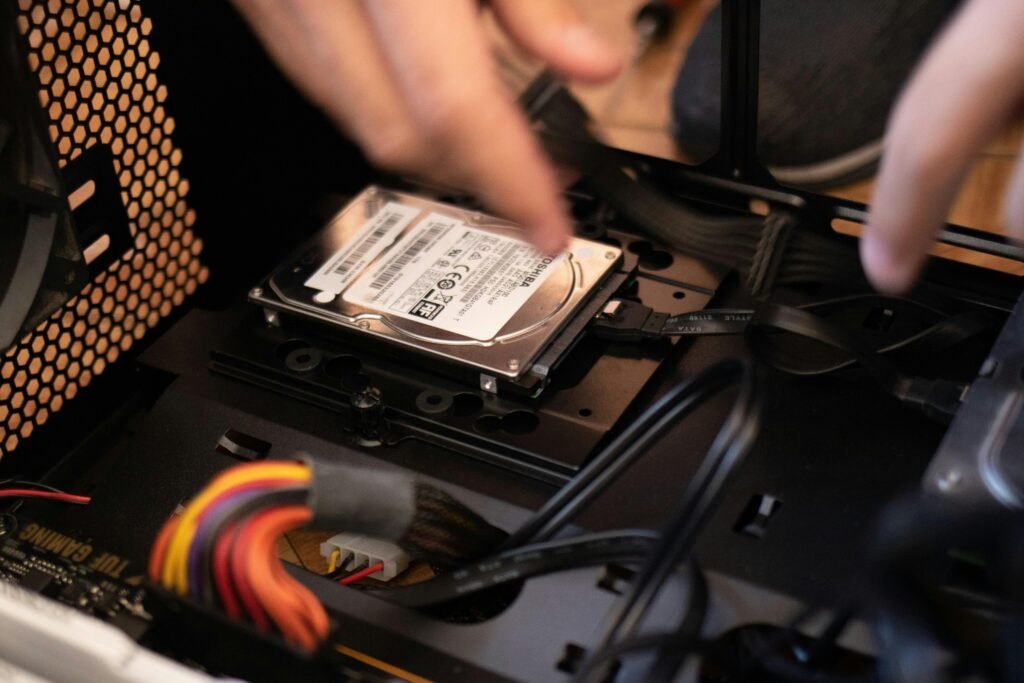
ITAD solutions include:
- Verified data destruction
- Asset tracking and reporting
- Responsible downstream processing
- Documentation for HIPAA and regulatory compliance
This integrated approach ensures sensitive patient and organizational data remains protected throughout device retirement.
Protect Data and the Environment
Healthcare organizations must balance data security, regulatory compliance, and sustainability. Structured e-waste recycling helps your organization:
- Safeguard patient and operational data
- Reduce exposure to data breaches
- Maintain HIPAA and regulatory compliance
- Support sustainability initiatives and ESG goals
- Keep offices and operations organized
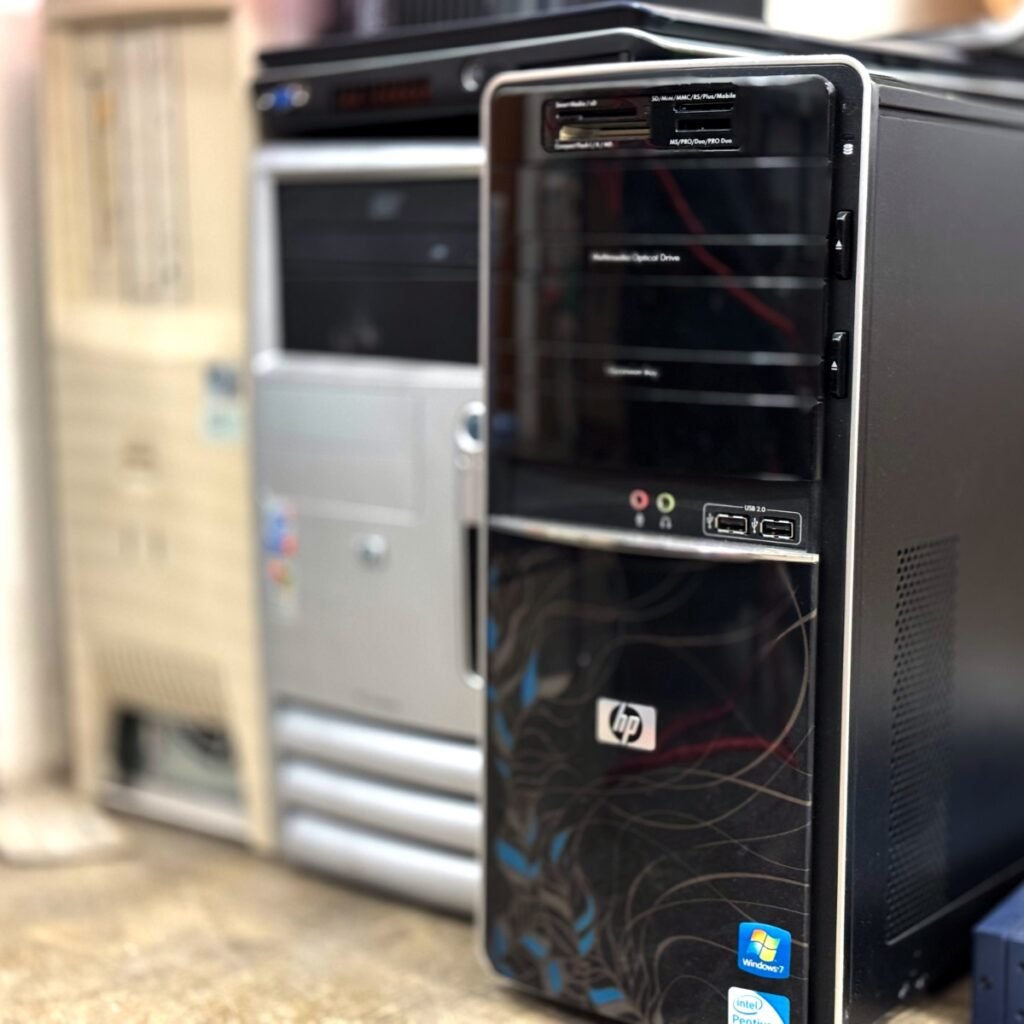
Start Your Healthcare E-Waste Program
Outdated electronics should never create liability. Liberty E-Waste provides secure, compliant, and environmentally responsible e-waste recycling, with integrated ITAD services tailored specifically for healthcare organizations.
Partner with Liberty E-Waste
Looking for reliable shredding, scanning, archiving, media conversion, cloud, and more services? Contact Liberty today for a free, no-obligation quote. Whether it’s a single-file box or an ongoing service agreement, we’ll help you choose the right solution for your home or business.
Questions and Answers
How does e-waste recycling help healthcare organizations remain HIPAA compliant?
Proper e-waste recycling ensures that all devices containing patient data are securely destroyed and documented, helping healthcare organizations maintain HIPAA compliance and avoid potential fines.
Are medical devices included in e-waste recycling programs?
Yes. Outdated or decommissioned medical devices, diagnostic equipment, and office electronics can all be securely recycled through certified processes, protecting both patient data and the environment.
What is the difference between e-waste recycling and IT asset disposition (ITAD) in healthcare?
E-waste recycling focuses on environmentally responsible disposal, while ITAD adds secure data destruction, asset tracking, and compliance documentation to protect sensitive patient and operational information.
How can Liberty E-Waste help hospitals and clinics manage large volumes of retired technology?
Liberty E-Waste offers flexible, scalable solutions, including scheduled pickups, one-time cleanouts, and documented chain-of-custody, ensuring efficient handling of all retired technology regardless of volume.
Can recycling outdated electronics improve a healthcare organization’s sustainability initiatives?
Absolutely. Secure e-waste recycling diverts hazardous materials from landfills, recovers reusable components, and reduces environmental impact, reinforcing sustainability and corporate responsibility goals.